
Top 10 Things to See in the Louvre
Established in 1793, the Musée du Louvre is not only Paris’s crown jewel but also the largest and most visited museum in the world. Nestled on the Right Bank of the Seine in the 1st arrondissement, the Louvre is home to some of the planet’s most legendary paintings, sculptures, and artifacts with approximately 38,000 objects spanning from prehistory to the 21st century.
With so many treasures spread over 72,735 square meters, knowing where to begin can feel overwhelming, especially if you’re short on time. Don’t worry, we’ve curated the ultimate top 10 must-sees to help you make the most of your visit.
TBS Tip: Most of the gallery cards are written in French. If that’s not your first language, consider renting an audio guide, downloading the official Louvre app (which includes an excellent map), or booking a private tour in your language for the most immersive experience.
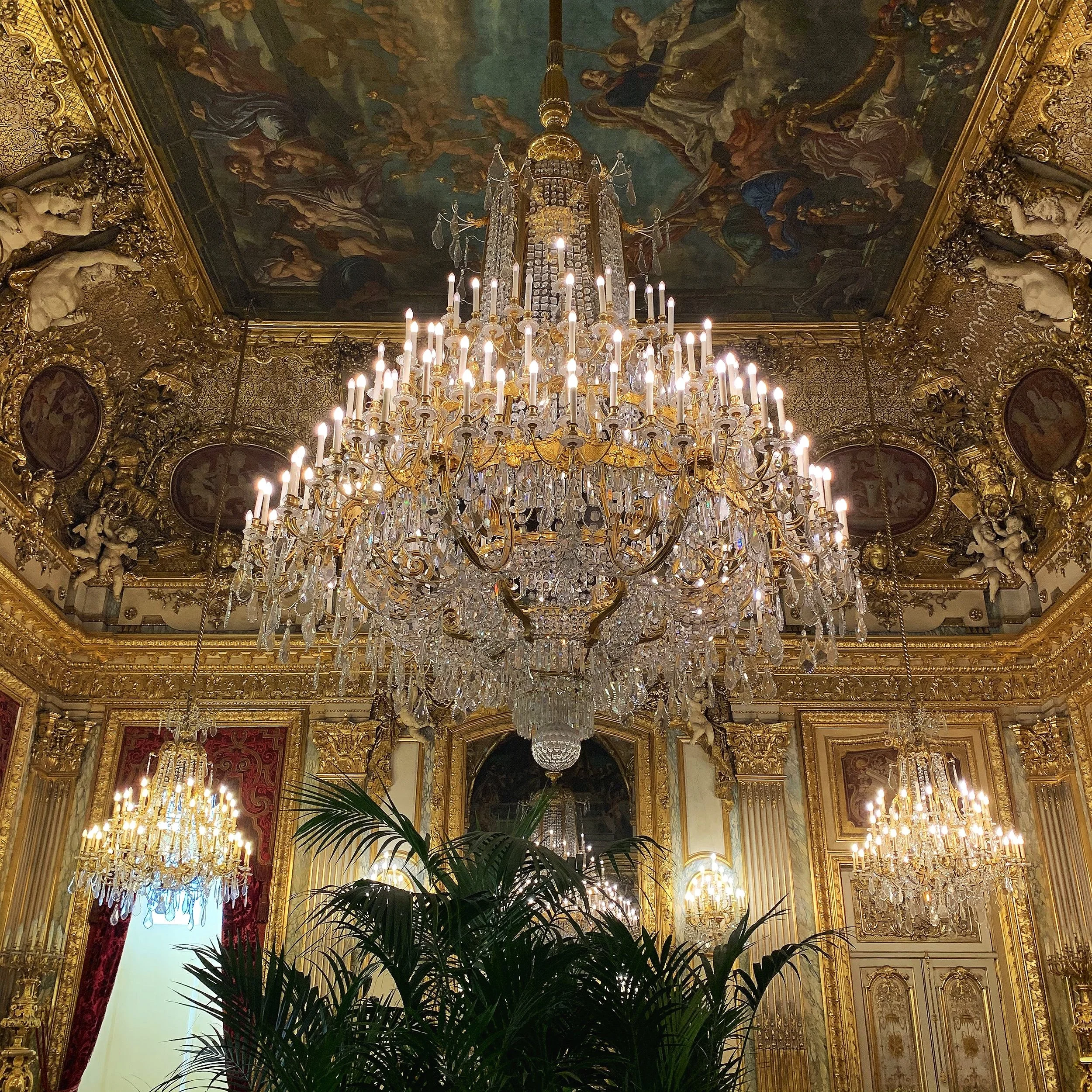
10. The Napoleon III Apartments
Talk about apartment goals. These 19th-century rooms are the only surviving examples of Napoleon III’s opulent style within the Louvre. Picture gilded ceilings, ornate furniture, a massive chandelier straight out of Phantom of the Opera, and a dining table set for royalty. Built in 1861, they’re as extravagant as it gets.

9. Liberty Leading the People, Eugène Delacroix
You may recognize this painting from Coldplay’s 2008 album cover Viva La Vida. Depicting the Paris uprising of July 27, 28, and 29, 1830, known as the Trois Glorieuses ("Three Glorious Days"), Charles X, the last Bourbon king of France, was overthrown and replaced by Louis Philippe, Duke of Orléans. Delacroix, who witnessed the uprising, perceived it as a modern subject for a painting; the resulting work reflects the same romantic fervor he had applied to The Massacre at Chios, a painting inspired by the Greek war of independence.
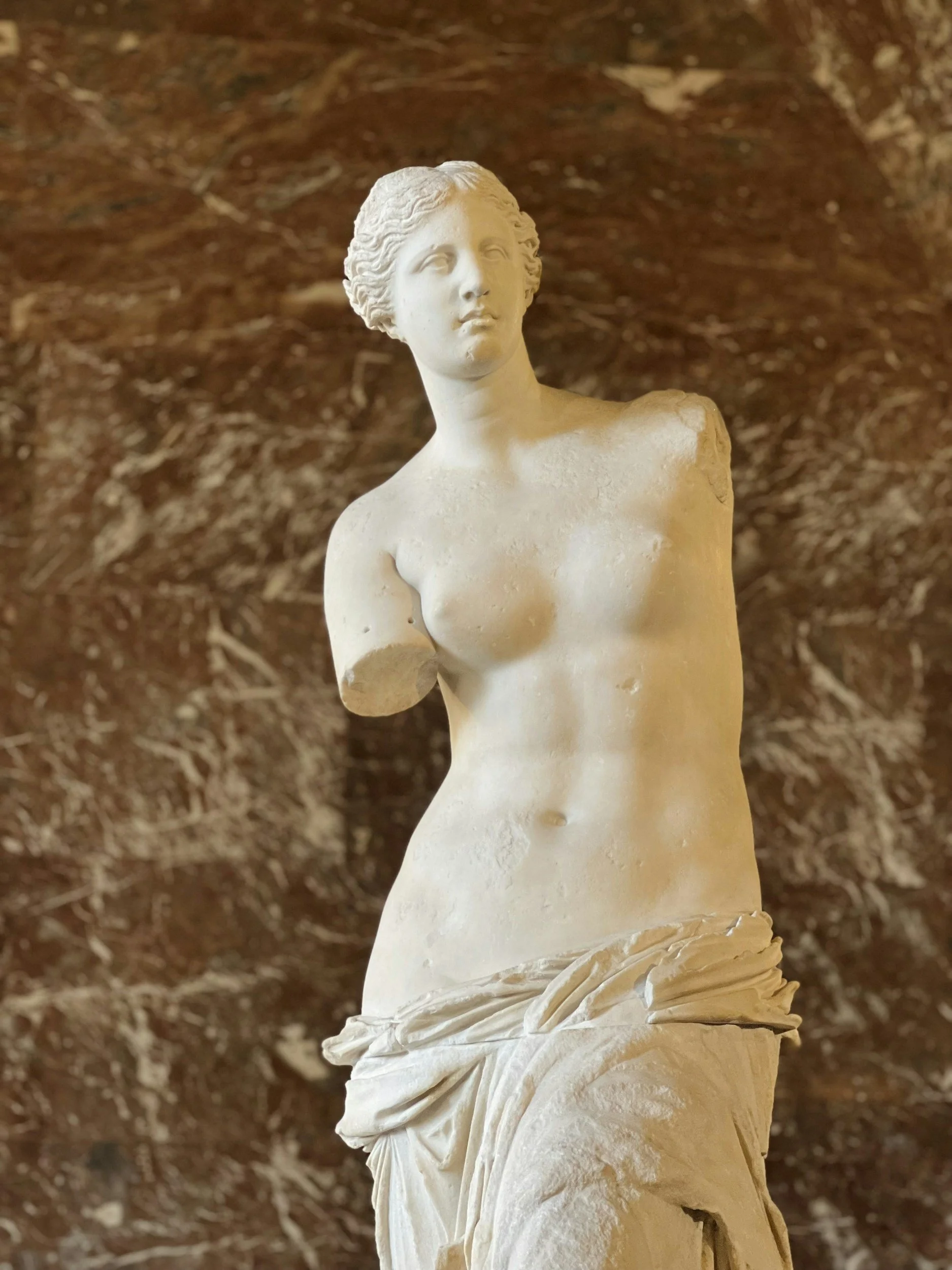
8. Venus de Milo
Graceful, timeless, and one of the most recognizable sculptures in the world. Discovered on the Greek island of Milos in 1820, this ancient statue is believed to represent Aphrodite, the goddess of love and beauty. Despite her missing arms, the Venus de Milo radiates elegance and has become a universal symbol of classical beauty.
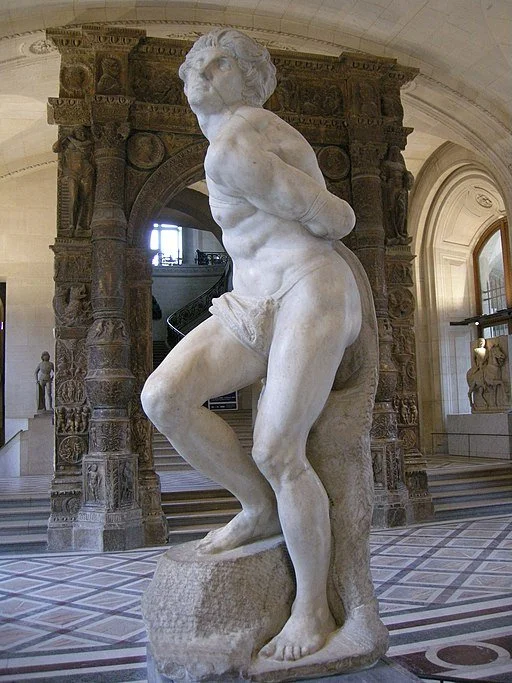
7. Rebellious and Dying Slave, Michelangelo
Created between 1513 and 1516, the sculptures by Italian renaissance artist Michelangelo were both created to adorn the tomb of Pope Julius II.
The two chained slaves express entirely different emotions. The Dying Slave is young and handsome and seems to be at peace, while the Rebellious Slave (right) appears to be struggling and restless.
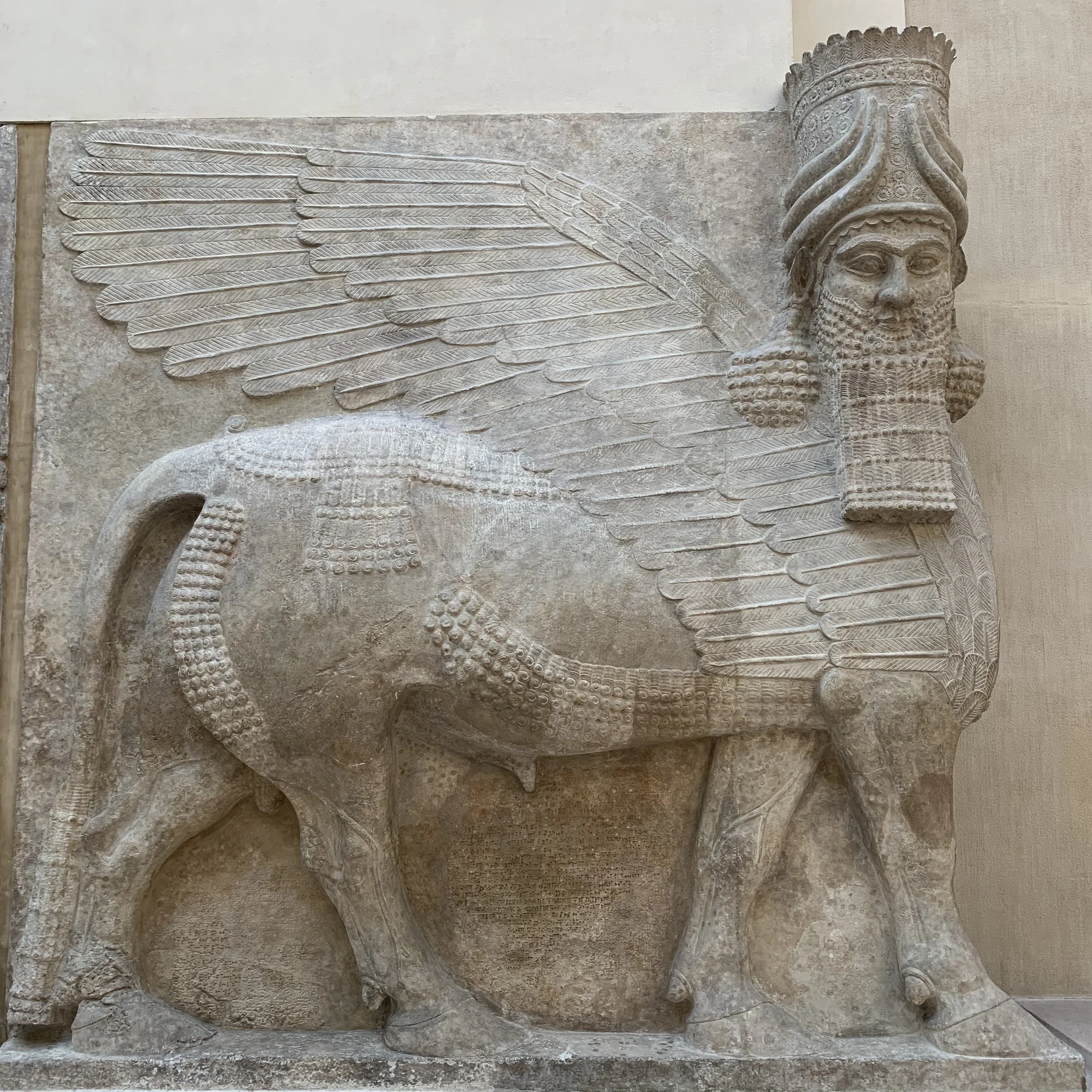
6. The Cour Khorsabad
The Khorsabad courtyard displays the remains of a gigantic city built in the late 8th century BC in what is now now Iraq. Originally part of the powerful Assyrian Empire, high relief carvings were popular at the time which is reflective of the large Lamassu guarding the doorways, an Assyrian protective deity. Each Lamassu is more the 4 metres high and carved from a single block.
5. I.M. Pei’s Pyramid
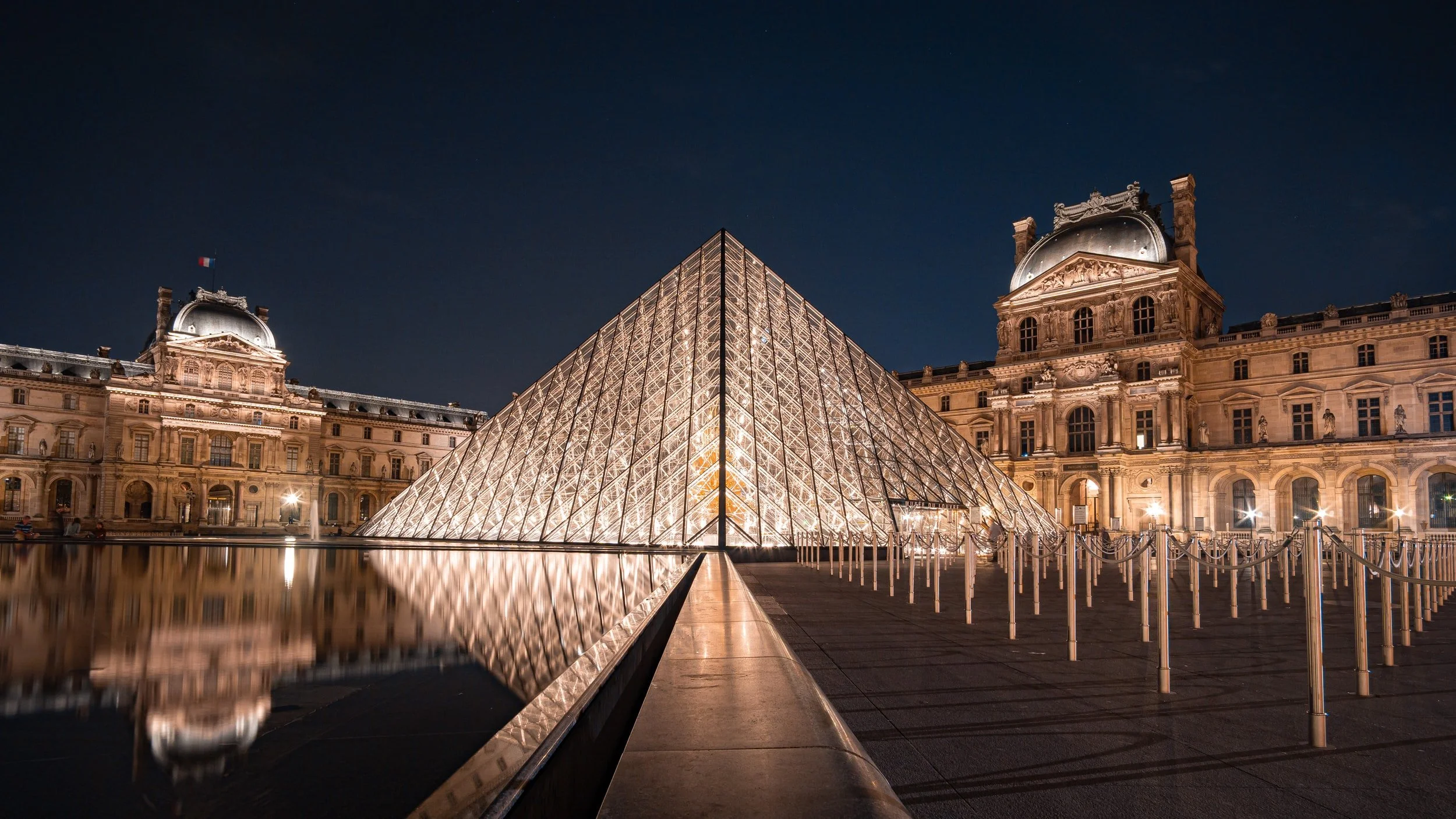
The iconic glass Pyramid (Pyramide du Louvre) that sits in the courtyard of the Louvre and serves as the main entrance to the museum was designed by Chinese-American architect I.M. Pei and is a landmark for the city of Paris in itself. On a sunny day the walk from the Eiffel Tower along the banks of the river Seine to the Louvre is a must.
3. Mona Lisa, Leonardo da Vinci
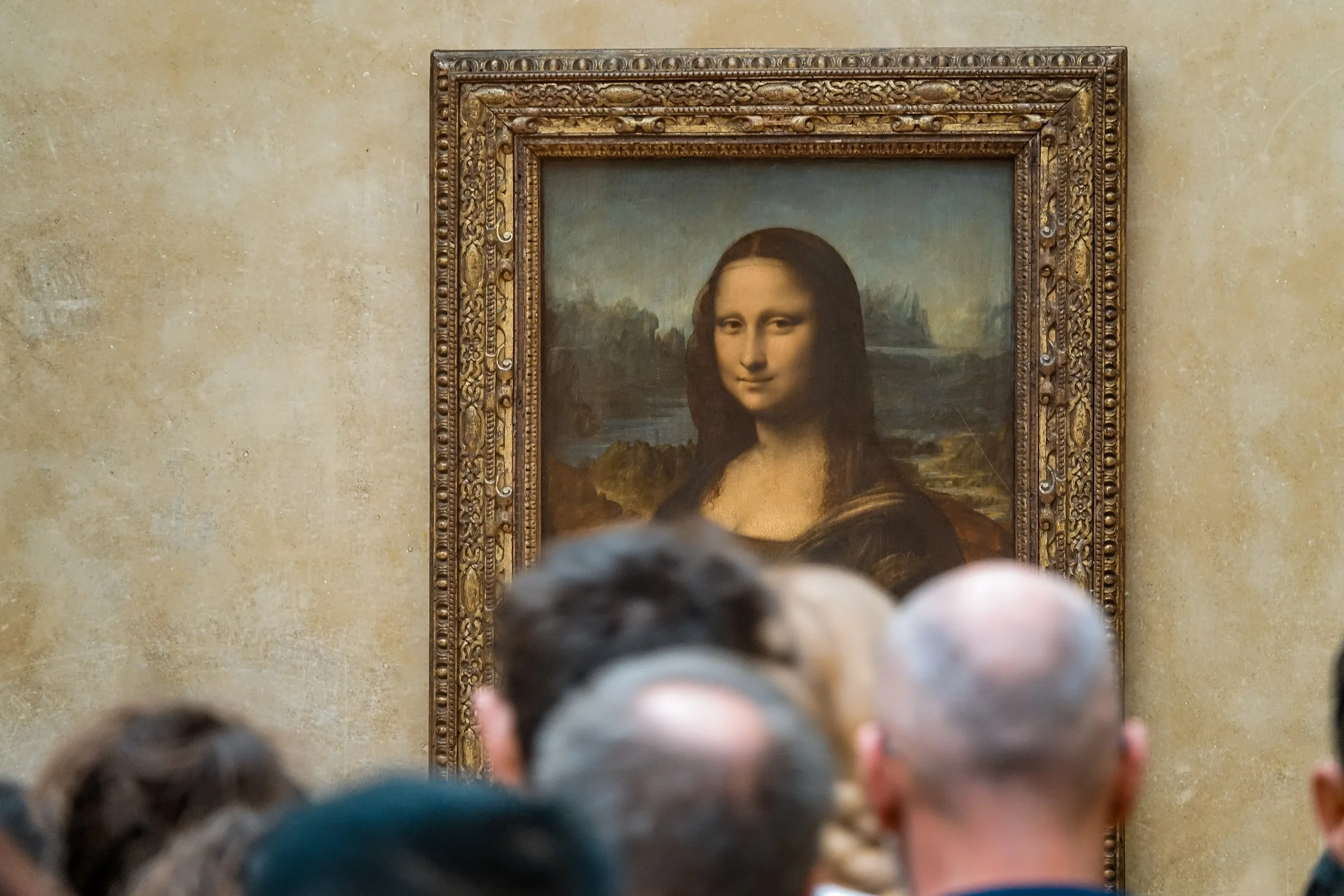
The most famous painting in the world. Painted by Leonardo da Vinci between 1503 and 1506, the history of the Mona Lisa is shrouded in mystery. Among the aspects which remain unclear are the exact identity of the person in the painting, who commissioned the portrait, how long Leonardo worked on the painting, how long he kept it, and how it came to be in the French royal collection.
It is widely believed that the portrait is that of Lisa del Giacondo, wife of Francesco del Giacondo a wealthy silk merchant and the portrait could have been painted to mark the purchase of their new home or the birth of their second son.
2. The Wedding Feast at Cana, Paolo Veronese
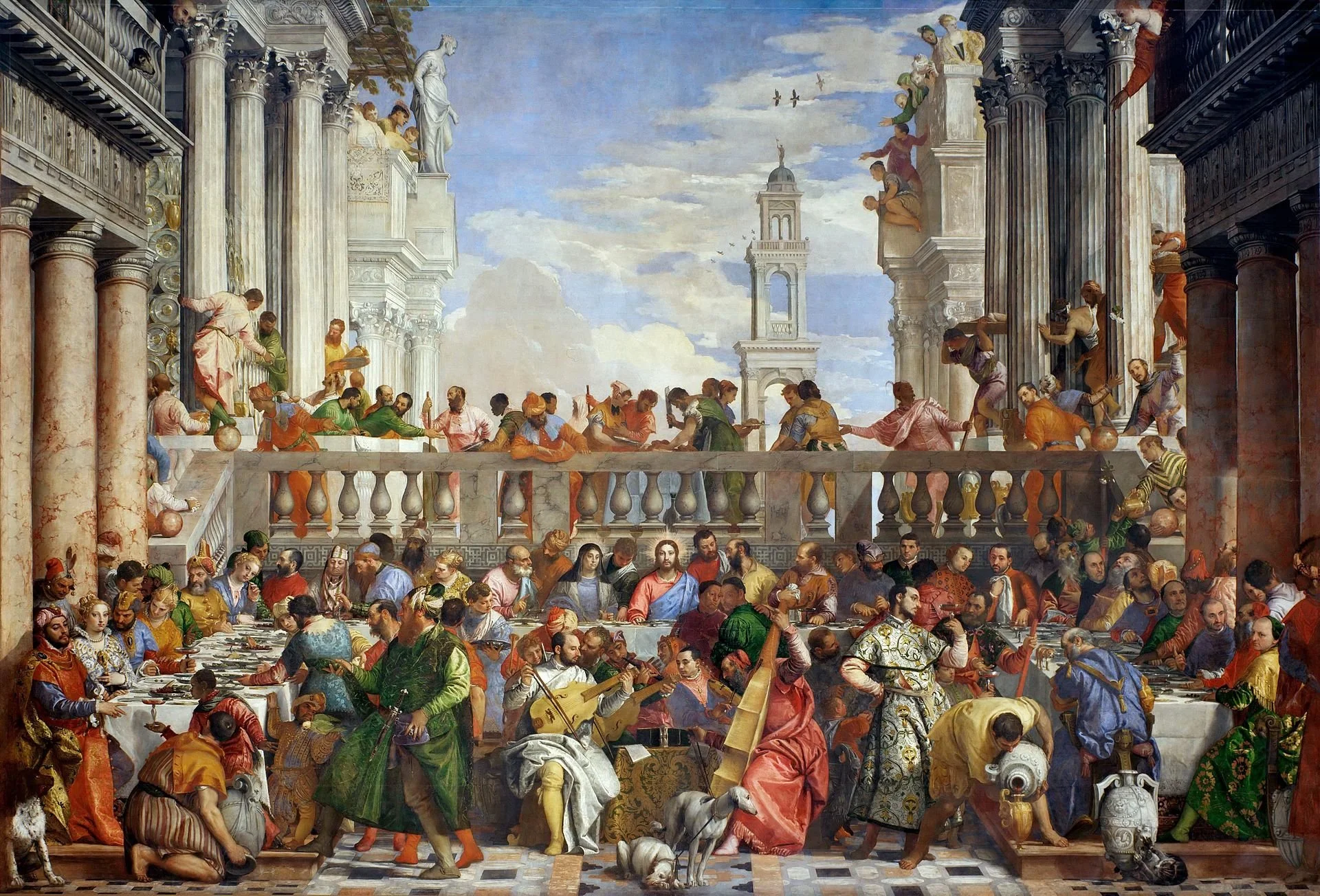
While the Mona Lisa is easily the most famous painting in the Louvre, Paolo Veronese’s The Wedding Feast at Cana situated opposite her is the biggest. Painted in 1563, the painting (almost 7 metres high and 10 metres wide) was painted for the refectory of the monastery on the island of San Giorgio Maggiore in Venice and features an extraordinary banquet with over 130 different characters in a beautiful display of colours and excitement.
1. The Winged Victory of Samothrace
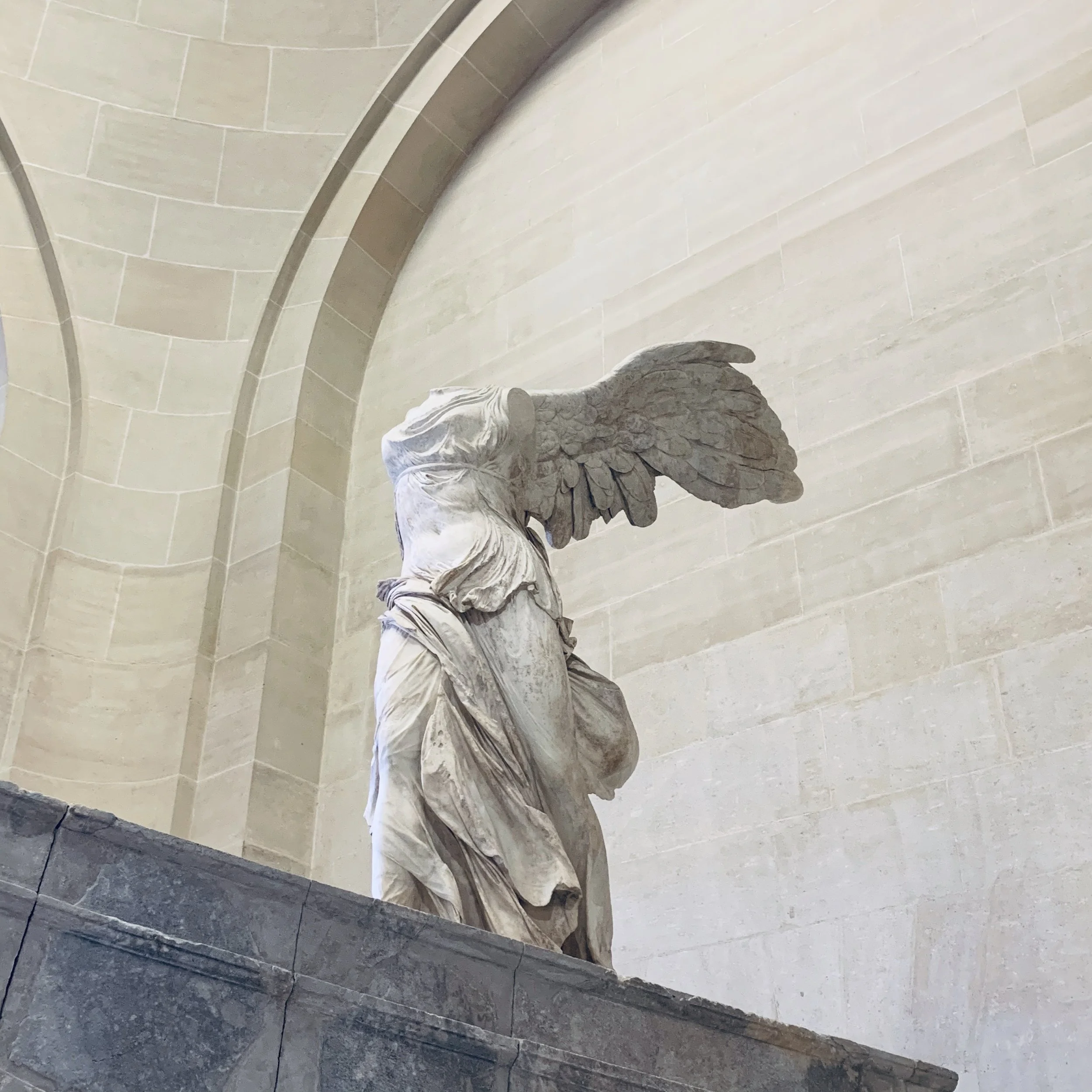
Our absolute favorite. This 2nd-century BC marble goddess, Nike, was discovered on the island of Samothrace in 1863. With her wings spread wide and robes swept by the wind, she stands triumphantly atop the prow of a ship. Perched dramatically at the top of the Daru staircase, she’s the Louvre’s most awe-inspiring sight.
Notable Mention
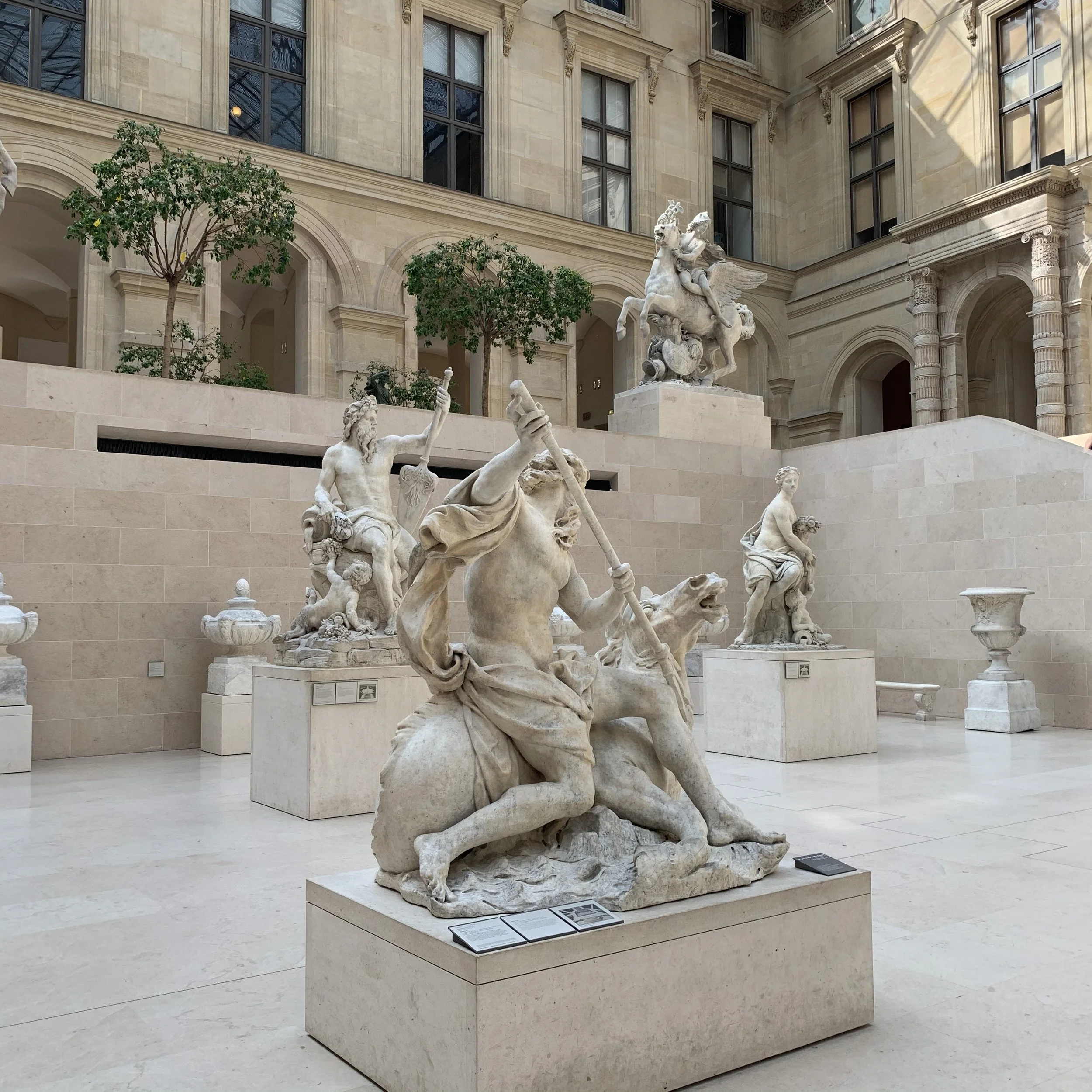
Don’t miss the Richelieu Wing, less crowded and filled with treasures like marble sculptures, antiques, and decorative arts. It’s a quieter corner of the museum where you can truly savor the beauty around you.